Outsourcing SaaS Development: A B2B Founder's Guide for 2026

Why B2B founders consider outsourcing SaaS development
Most B2B founders reach the outsourcing question at one of two moments: before writing a single line of code, when hiring a full in-house engineering team is not yet justified by the stage of the business, or after an early build has hit its ceiling and needs a team that has solved multi-tenancy and compliance problems before. In both cases, outsourcing SaaS development is not a compromise — it is a deliberate way to access a team that has already made the hard architectural decisions on prior B2B SaaS products, rather than paying to make (and often re-make) those decisions internally.
The risk is real, though: outsourcing SaaS development to the wrong provider creates exactly the handover problems and architectural shortcuts this guide is designed to help you avoid. A SaaS development company that treats infrastructure, billing, and compliance as afterthoughts bolted onto a generic web build will hand you a product that cannot pass an enterprise security review.
What good outsourcing SaaS development looks like
A well-structured outsourcing SaaS development engagement has three characteristics that distinguish it from a generic dev-shop arrangement:
- A named senior architect, not a rotating team. Multi-tenancy, billing, and compliance decisions are load-bearing — they are expensive to reverse later. A SaaS development company that assigns a junior-led team to make these calls is optimising for its own margin, not your product's long-term cost of ownership.
- Infrastructure and compliance as core competencies, not subcontracted work. If the provider outsources DevOps, security, or compliance evidence generation to a third party, you inherit two handover gaps instead of one. The strongest SaaS development companies keep these functions in-house.
- A written architecture decision record before the main build starts. This covers the tenancy model (schema-per-tenant vs row-level security), authentication strategy, billing integration, and deployment target — agreed and documented before development velocity becomes the only visible metric.
Outsourcing vs in-house vs freelance: how to choose
The right choice depends on what stage your product is at and what your buyers require:
Choose outsourcing to a SaaS development company when...
You need to reach a credible enterprise-ready architecture faster than an in-house team could build the same pattern library from scratch, or you need to scale delivery capacity for a fixed period without a long-term headcount commitment. This is the most common fit for B2B founders moving from MVP to a platform that can pass procurement review.
Choose freelance or contract engineers when...
Your architecture is already settled and you need extra hands executing a well-defined backlog. Freelancers rarely carry the systematic experience needed to make tenancy, billing, or compliance decisions from scratch — but they can be excellent once those decisions exist in writing.
Choose in-house hiring when...
Engineering is a permanent, core differentiator for your product and you have the runway to build a team slowly enough to hire well. Our agency vs freelance vs in-house comparison covers the full decision framework in more depth.
What outsourcing SaaS development should cost
Pricing depends heavily on scope, but B2B founders outsourcing SaaS development for a production-ready multi-tenant MVP should expect a materially different quote than a generic web app build — the tenancy, billing, and compliance work adds real engineering time. Our SaaS development cost guide breaks down pricing by engagement type in detail.
Red flags when evaluating an outsourcing partner
- Cannot describe their default tenant isolation model without checking with an engineer first.
- Quotes a full multi-tenant build well below market rate — usually a sign of shallow SaaS experience or offshore subcontracting you were not told about.
- Has no reference client in a comparable B2B sector.
- Treats infrastructure and compliance as a "phase two" concern rather than a day-one architectural input.
Our red flags and green flags guide covers the full evaluation checklist for any SaaS development company you are considering.
Frequently asked questions
Is outsourcing SaaS development safe for a product handling sensitive B2B data?
Yes, provided the SaaS development company treats data residency, encryption, and access control as core architecture decisions rather than compliance paperwork added later. Ask for a written data handling policy before signing.
How long does an outsourced SaaS development engagement typically run?
A production-ready MVP engagement typically runs three to five months; ongoing platform extension work is usually structured as a rolling monthly retainer with two-week sprints.
Can we bring an outsourced team in-house later?
Yes — a well-documented architecture decision record and clean codebase make this transition straightforward. Agencies that resist documentation or discourage this conversation are optimising for lock-in, not your outcome.
Considering outsourcing SaaS development for your product? Book a free scoping call and we will give you an honest read on whether a full engagement, a targeted advisory scope, or an in-house hire is the right fit. If you are comparing providers, our checklist on how to choose a B2B SaaS development company covers exactly what to verify before signing.
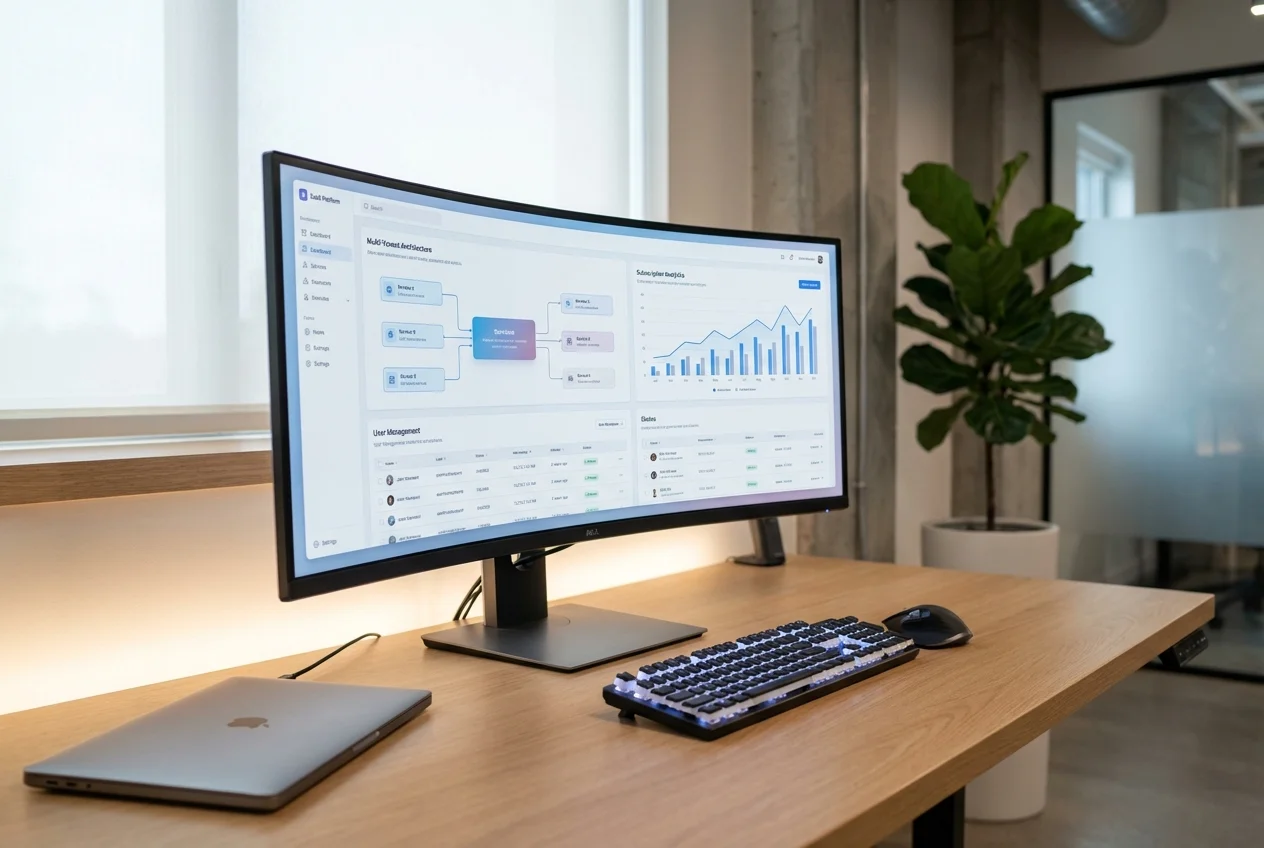 Custom SaaS Development
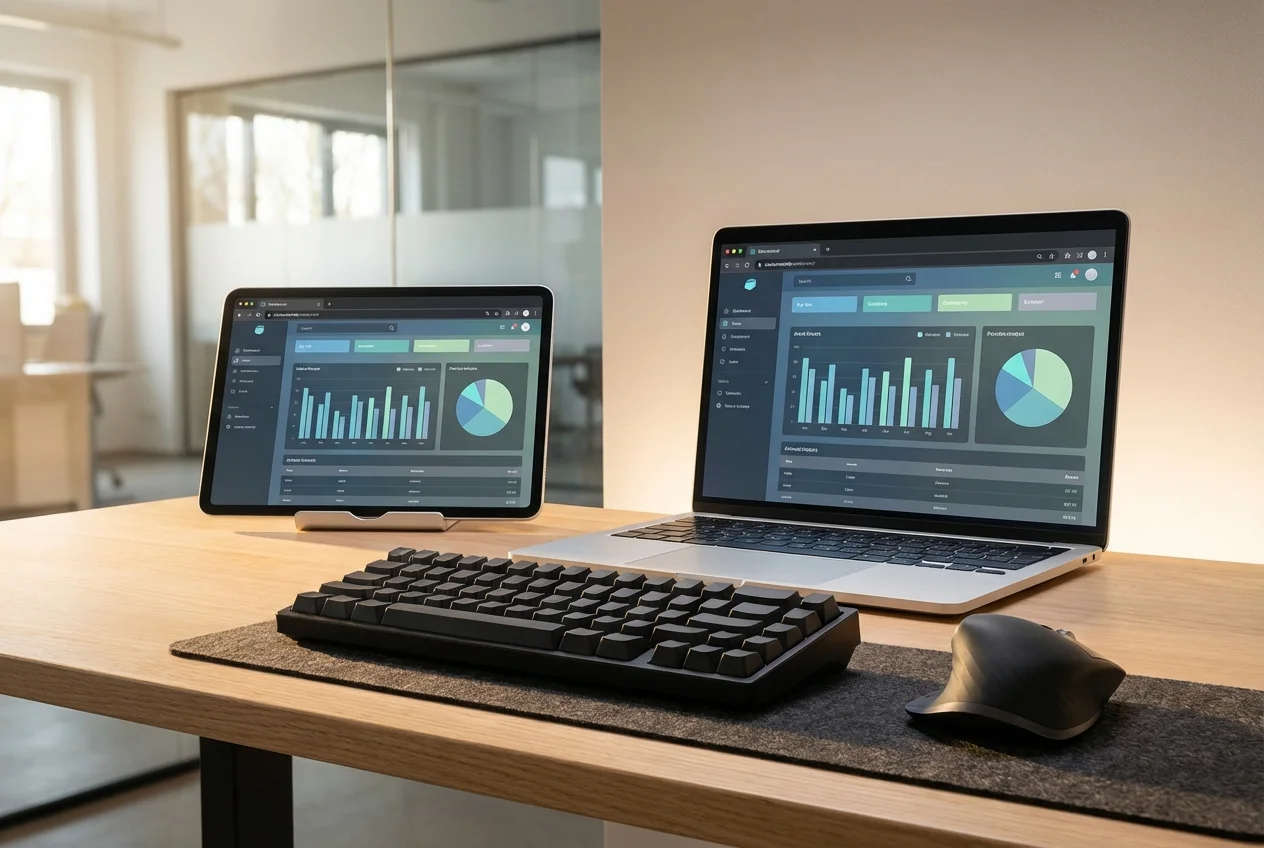 Web App Development
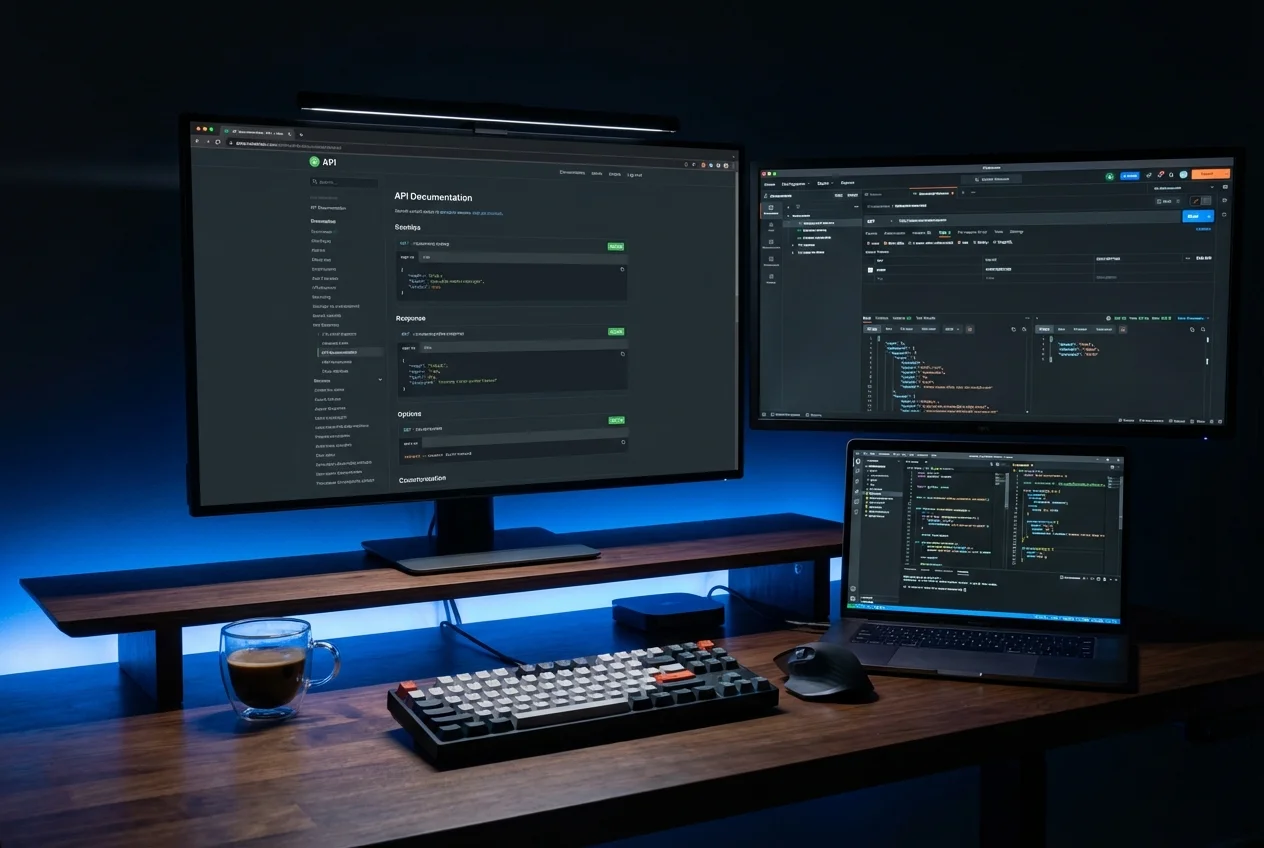 API Development