Global SaaS
Global SaaS Development: Building Products That Scale Across Markets
·13 min read
We build SaaS products designed for global scale from the start. Whether you are launching in one market or ten, our team designs architecture, internationalisation, and compliance into the product rather than bolting them on later. Trusted by 150+ B2B SaaS founders and CTOs, from seed-stage startups to Series B platforms, with a 98% on-time delivery record.
Trusted By








Our Services
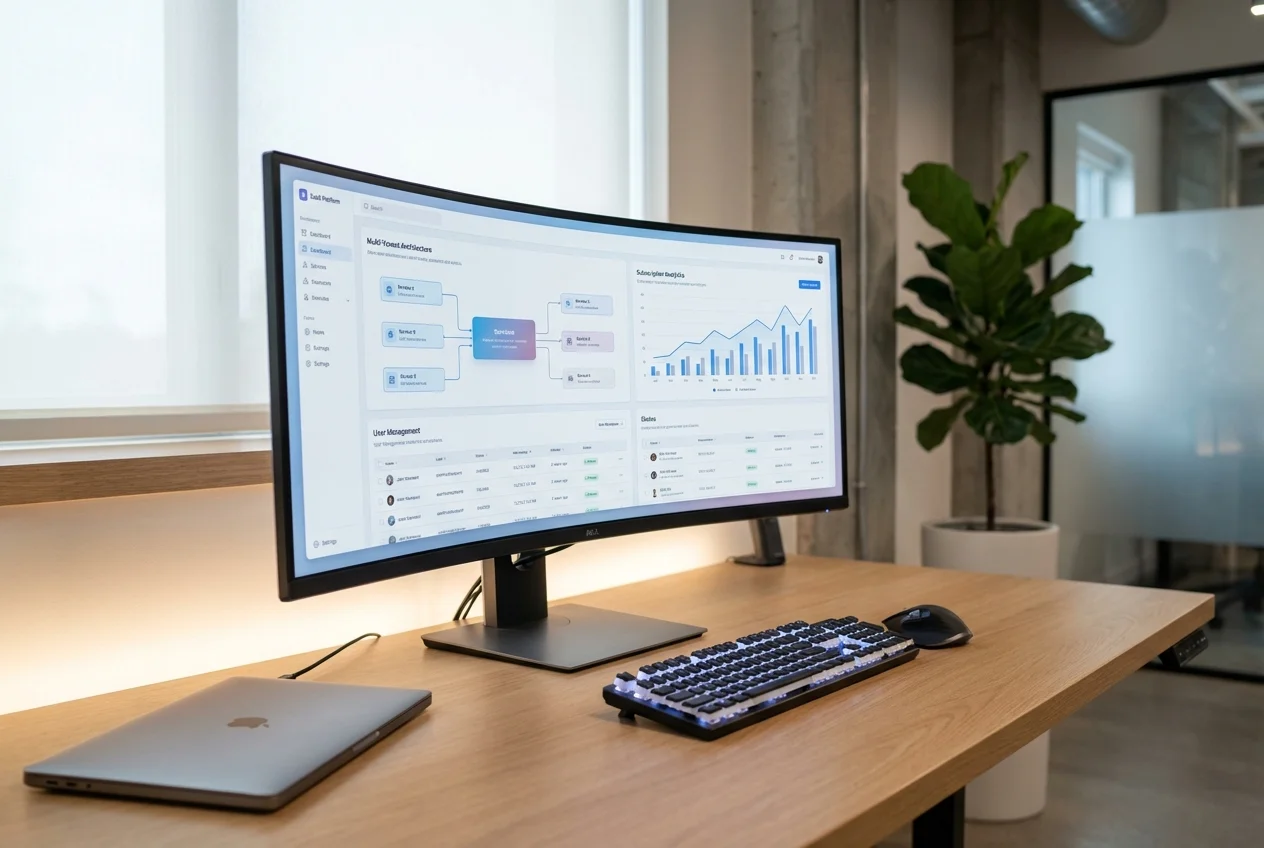
Multi-tenant SaaS platforms engineered for data residency, regional compliance across GDPR, CCPA, and LGPD jurisdictions, tenant-level isolation, and multi-currency billing. Purpose-built for SaaS companies expanding into new international markets.

Internationalised web applications with deep i18n architecture — locale-aware routing, RTL layout systems, regional CDN delivery, and culturally-adapted interfaces. For SaaS products serving users across languages and geographies.

Multi-region API infrastructure with geo-routing, regional data stores, cross-region synchronisation, and versioning strategies designed for phased global rollouts across data centres.

Global mobile apps with multi-language support, regional app store optimisation, local payment integration, and culturally-adapted UX patterns. For SaaS mobile products expanding into international markets.
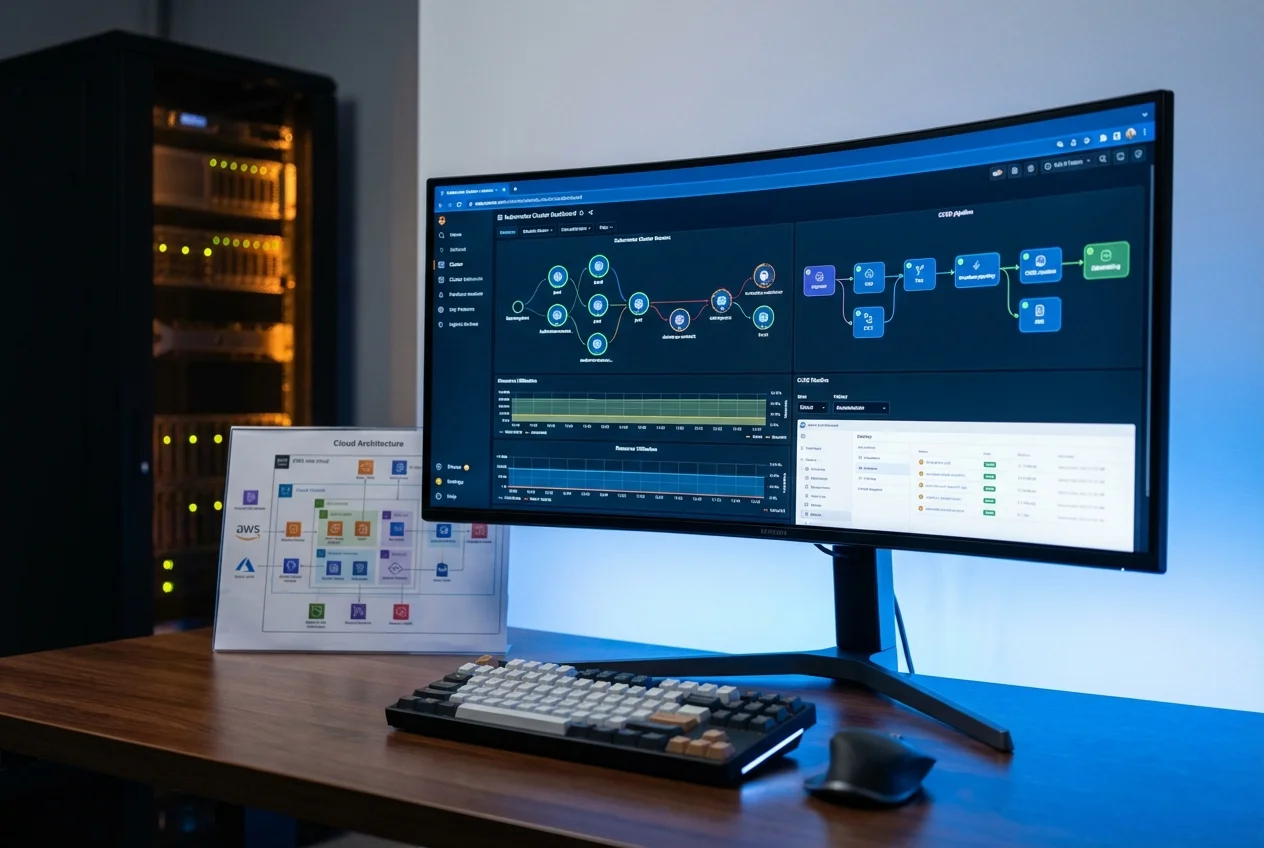
Multi-cloud global infrastructure spanning AWS, GCP, and Azure with Terraform-managed deployments, Kubernetes federation, and latency-optimised CDN — for SaaS products requiring presence and compliance in multiple regions.

Global scaling strategy for SaaS CTOs — market-entry technical planning, regulatory compliance mapping across jurisdictions, infrastructure cost modelling per region, and architecture for international expansion.
How We Work
A systematic approach to building excellence.
We understand your target markets, compliance requirements, and global architecture needs before any technical decisions are made.
Global-scale architecture designed from the start — multi-region, internationalisation-ready, and built to meet the regulatory requirements of your target markets.
Two-week sprint cycles with regular demos. Consistent progress you can see and steer.
Automated and manual testing including cross-region and compliance verification.
Managed global deployment with monitoring, documentation, and clean handover to your team.
Case Studies
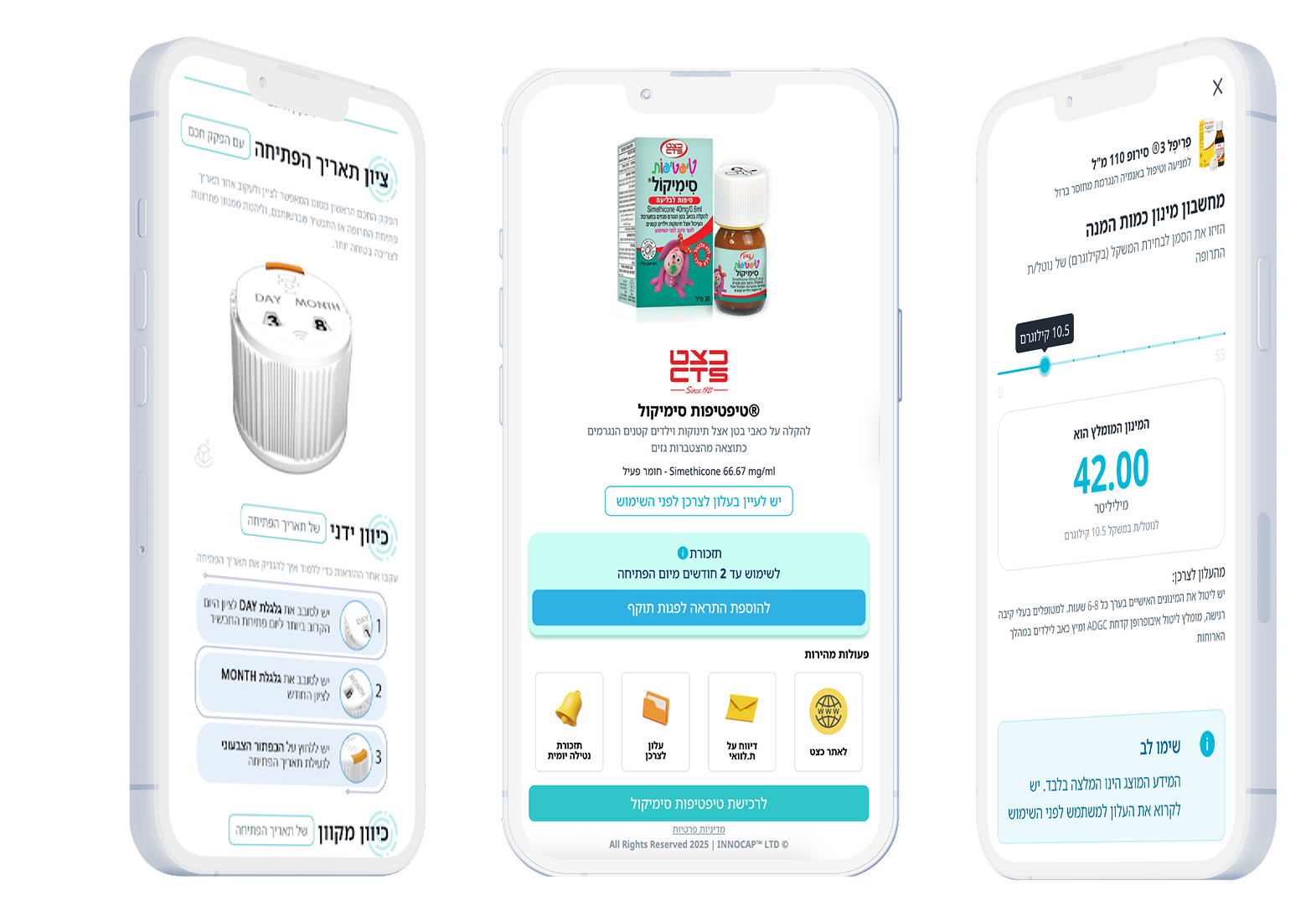
Cloud-native fund administration infrastructure for institutional VC
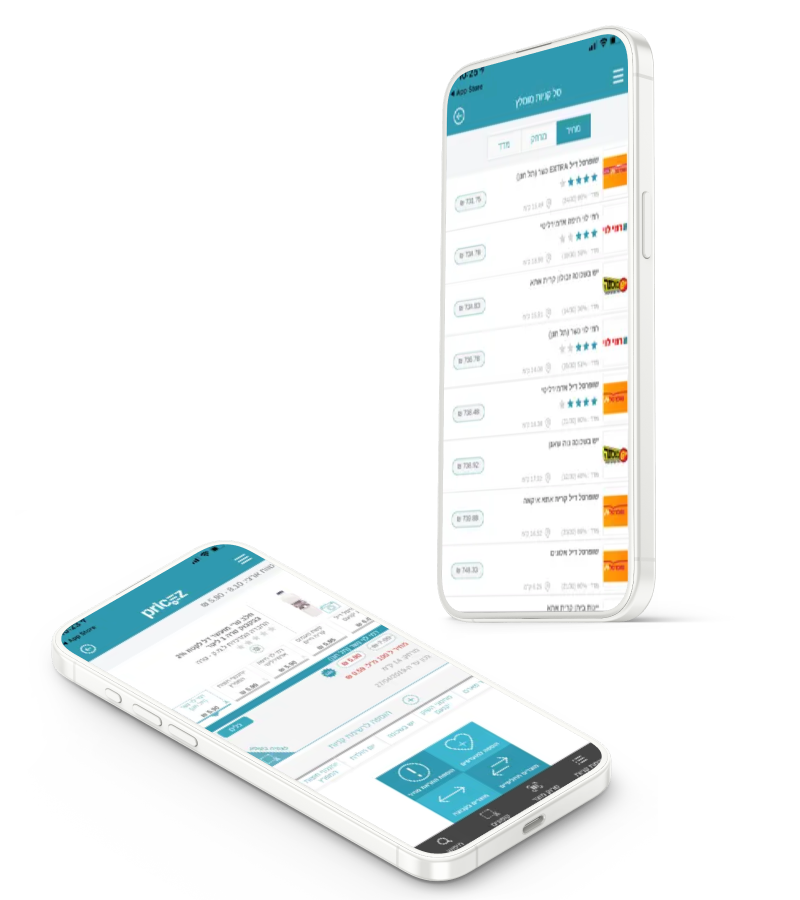
Event-driven ingestion architecture for high-volume retail price data
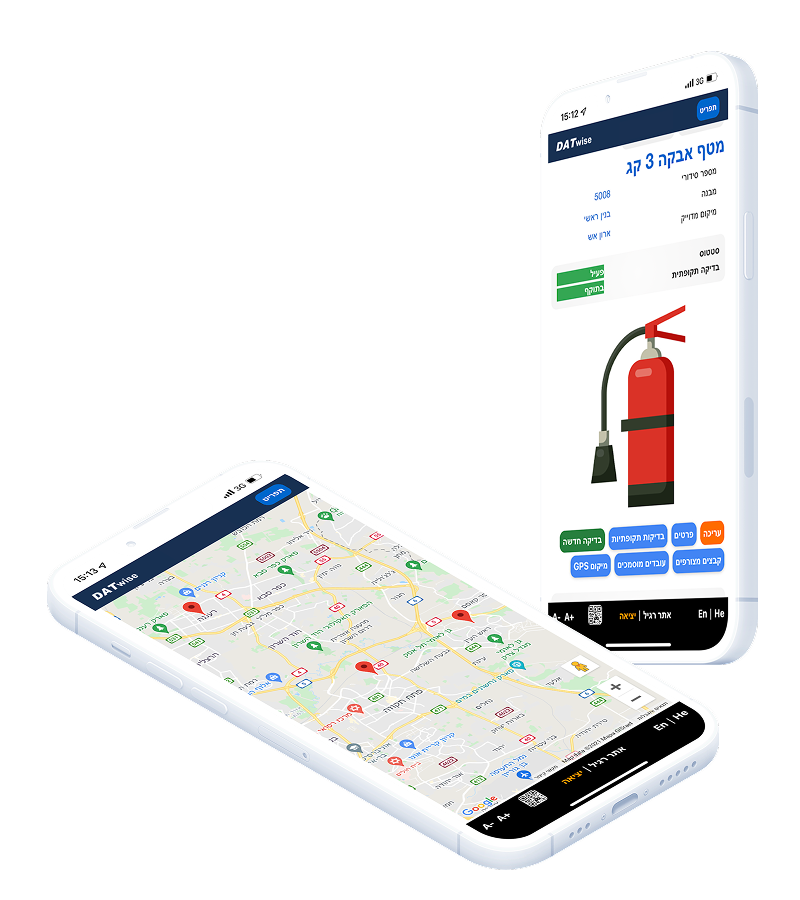
Scalable multi-tenant analytics infrastructure with real-time query engine
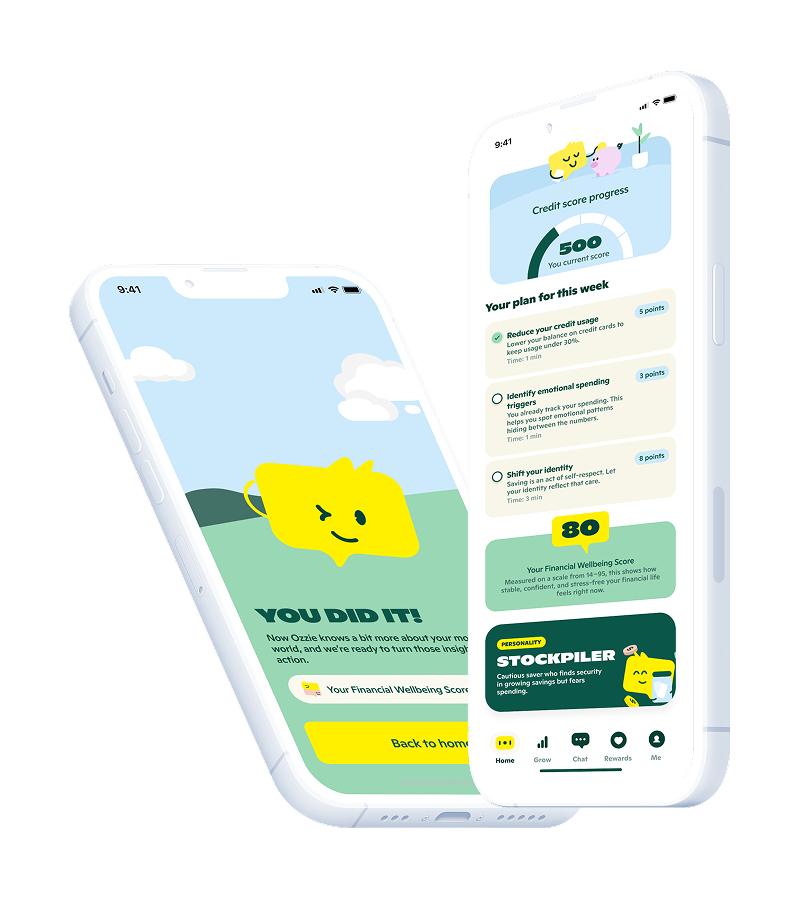
Scalable AI assistant infrastructure with streaming API and multi-model routing
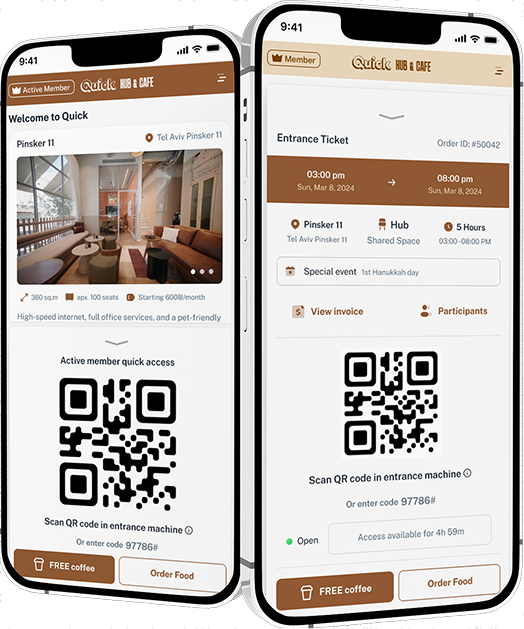
Real-time office booking infrastructure with conflict-free reservation engine
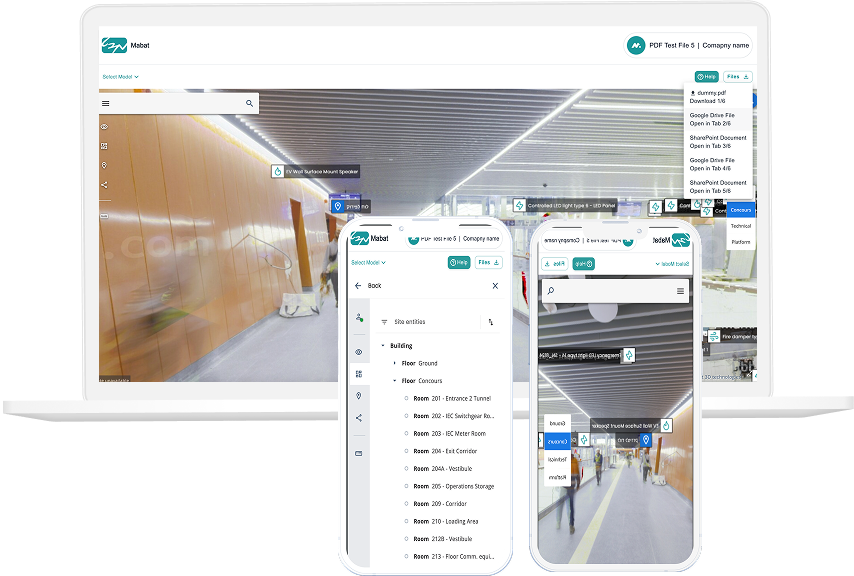
Cloud-native video surveillance platform with edge processing and central archival
“Deploying across twelve countries with different regulatory requirements is something most development teams shy away from. They embraced the complexity and delivered a multi-region architecture that handles data residency, localisation, and compliance seamlessly. We launched in all twelve markets on schedule and have not had a single compliance incident. Their understanding of global SaaS infrastructure is genuinely world-class.”
“Data residency is not something you can bolt on after the fact — it has to be designed into the foundations. They understood this immediately and built an architecture that keeps data where it needs to be across four different regulatory jurisdictions. Our compliance team was impressed by how thoroughly they had thought through every edge case. It gave us enormous confidence in the platform.”
“We needed our platform to work in Japanese, German, Portuguese, and English from day one — not just translated strings but proper localisation including date formats, currencies, address structures, and payment methods. They built a localisation architecture so robust that adding a new market now takes days instead of months. That scalability has been critical to our growth strategy.”
From Our Blog

Building a SaaS product that works in one market is hard. Building one that works in ten is a different challenge entirely. Here is what the best global SaaS teams do differently.

SaaS pricing is one of the most impactful business decisions you will make — and one of the least well-thought-through. Here is a clear breakdown of the main models and when each makes sense.

The as-a-service taxonomy can be confusing. Here is a plain-language breakdown of SaaS, PaaS, and IaaS — and how to decide what your business should be building or buying.
Yes. We have experience designing SaaS products that meet GDPR, CCPA, SOC 2, and other regulatory requirements. We approach compliance as an architectural consideration from the start — which is significantly cheaper than retrofitting it later. We work with your legal team to understand the specific requirements for your target markets and build them into the product design.
Internationalisation goes beyond translating strings. We design products with i18n in mind from day one — which means handling date and time formats, currency display, number formatting, right-to-left text support where needed, and region-specific UX patterns. We use established i18n libraries and workflows that make adding new languages straightforward.
Yes. Multi-region deployment is something we design and implement regularly. This involves decisions about data replication strategy, read replica placement, CDN configuration, and data residency controls. We will help you understand the tradeoffs between performance, cost, and compliance and design an architecture that fits your requirements.
We are a full SaaS platform and product development agency — we own the roadmap, architecture, compliance, and delivery end-to-end, backed by a project lead who is accountable for outcomes, not just hours billed. That is different from hiring individual SaaS developers to slot into a team you already manage yourself, which suits founders who already have a CTO or product owner directing the work in-house. We will tell you honestly during the scoping call if a smaller, hire-only engagement would serve you better than a full agency build.
Yes. We work with clients across Europe, North America, and APAC. Engagements are managed remotely with regular video calls and asynchronous communication. We are experienced working across time zones and adjust our working patterns to accommodate international clients.
A globally-ready SaaS MVP typically takes 14–20 weeks — somewhat longer than a single-market MVP because of the additional architecture and compliance work. The investment pays off significantly when you expand, because you are not rebuilding the foundation. We give you realistic timelines in writing before work begins.
A specialist SaaS platform development agency brings deep expertise in the structural requirements unique to SaaS: multi-tenant data isolation, subscription billing, usage-based scaling, and ongoing uptime commitments. General software agencies can build applications, but SaaS platforms require architecture decisions — on tenancy models, regional deployment, and API-first design — that are only learned from building multiple SaaS products. Our SaaS developers have built 150+ products and understand these tradeoffs from hard experience.
Evaluate SaaS development services providers on three dimensions: portfolio depth in B2B SaaS (not just consumer apps), architecture transparency (can they explain why they made specific decisions on past projects?), and post-launch capability (do they support the product after delivery?). The cheapest option for SaaS development services rarely remains cheapest once you factor in rework costs from poor architectural decisions. See our <a href="/blog/saas-product-development-agency-guide">guide to choosing a SaaS product development agency</a> for a full evaluation framework.
Our SaaS development services cover the full product lifecycle: custom SaaS platform architecture, multi-tenant backend engineering, API-first development, web and mobile front-end builds, subscription billing infrastructure, DevOps and multi-region cloud deployment, and ongoing technical consulting. Each SaaS development service is delivered by engineers who have built 150+ SaaS products — so the decisions that define your platform's long-term scalability are made correctly from the start. Explore our <a href="/services">full range of SaaS development services</a> or read our <a href="/blog/saas-development-services-b2b-guide-2026">b2b SaaS development services guide</a> covering enterprise authentication, billing, and procurement requirements.
SaaS development services for a B2B platform start from £1,000 for consultancy engagements and scale based on scope, multi-tenancy complexity, compliance requirements, and regional deployment needs. A production-ready SaaS MVP with multi-tenant architecture, billing infrastructure, and API-first design typically ranges from £40,000–£120,000 depending on feature depth. The most useful framing is not "how much do SaaS development services cost?" but "what does this budget allow us to build, and what do we defer?" We give you that breakdown honestly. <a href="/free-consultation">Book a free consultation</a> for a realistic estimate.
SaaS development consulting is an advisory engagement — reviewing your architecture, technical strategy, or product roadmap — while SaaS development services encompass end-to-end delivery: design, engineering, infrastructure, and launch. Most SaaS development engagements combine both: a consulting phase to validate architecture decisions, followed by a services phase to build and deliver the platform. Our <a href="/services/technical-consulting">technical consulting service</a> covers standalone advisory work; our <a href="/services/custom-saas-development">custom SaaS development service</a> covers full-delivery engagements.
Comprehensive SaaS software development services cover seven discrete capabilities: tenant architecture, data and compliance design, billing infrastructure, identity (SSO/SCIM), multi-region deployment, domain-driven product engineering, and post-launch evolution. A serious provider scopes each capability separately because the engineering economics differ. Read our <a href="/blog/saas-software-development-services-b2b-buyer-guide">2026 buyer guide for SaaS software development services</a> for the full breakdown.
SaaS application development services are designed around backwards compatibility, multi-tenant isolation, and contractually predictable release cadence — none of which apply to a generic web app. Once enterprise customers integrate your SaaS into their procurement and audit pipelines, every change must be regression-safe. SaaS application development providers who do not commit to a backwards-compatibility policy and a versioning strategy are quoting against a model that breaks the moment you sign your first £100k+ deal.
A real SaaS product development services engagement produces four deliverables in the first 30 days: a tenant architecture decision document, a compliance scope memo, a backwards-compatibility and versioning policy, and a technical risk register. Providers who skip these and start coding in week one are selling velocity at the cost of architectural decisions that determine your three-year cost curve. <a href="/free-consultation">Book a free consultation</a> to scope your engagement.
SaaS development consulting starts with a one-page diagnosis: where your architecture, security posture, and unit economics will fail under the next 10x of growth. We then produce a six-quarter technical roadmap, a build-vs-buy matrix for every major subsystem, and a SaaS development cost model tied to ARR milestones. Most founders engage us before a Series A to de-risk the architecture story their investors will scrutinise. See our <a href="/blog/saas-development-consulting-when-to-hire-external-expertise">guide on when to hire SaaS consulting</a>.
Our SaaS development services are priced against deliverables, not headcount. A typical B2B SaaS MVP runs £45k–£90k for a 12-week engagement covering multi-tenant architecture, auth, billing integration, and a production deployment. Larger platform builds — those requiring multi-region infrastructure, SSO/SAML, and compliance evidence — run £140k–£320k. Read our <a href="/blog/saas-development-services-b2b-guide-2026">B2B buyer guide</a> for full SaaS development services pricing benchmarks.
A real SaaS product development agency builds multi-tenant from day one, treats backwards compatibility as a contract, and prices the second three years of operation — not just the launch. Generic dev shops will quote you a project, ship it, and leave. A SaaS product development agency stays accountable for the architecture decisions that determine churn, support load, and your eventual gross margin. Compare options in our <a href="/blog/saas-product-development-agency-guide">SaaS product development agency guide</a>.
Multi-tenant SaaS architecture means a single deployment of your software serves multiple customers (tenants), each with complete data isolation, independent configuration, and role-based access — all from shared infrastructure. For B2B products, this matters because it determines your gross margin, your compliance posture, and whether your enterprise prospects will accept your data processing agreement. Platforms that shortcut multi-tenancy (row-level filtering without schema isolation, shared logging, shared background workers) expose themselves to data leakage incidents and fail enterprise security reviews. Read our <a href="/blog/multi-tenant-saas-architecture-b2b-guide">multi-tenant SaaS architecture guide</a> for the architecture decisions that matter at each scale stage.
We choose between three isolation models based on the compliance and scale requirements of each engagement: schema-per-tenant (strongest isolation, higher infrastructure cost, ideal for regulated industries), row-level tenant partitioning with enforced RLS policies (balanced cost and isolation, suitable for most B2B SaaS products), and database-per-tenant (maximum isolation, used when tenants have data residency mandates requiring separate storage accounts). The choice is documented in an architecture decision record before any data layer code is written. For most B2B SaaS products in 2026, row-level security with Postgres RLS enforced at the application level is the right default — it supports up to several thousand tenants without per-tenant infrastructure costs.
A SaaS MVP proves the product hypothesis: one tenant, one pricing tier, no compliance scope, minimal operational tooling. A production-ready multi-tenant platform is defined by automated tenant onboarding, per-tenant billing integration, per-tenant observability (not shared dashboards), compliance evidence generation, and a deployment pipeline that can push to multiple regions without downtime. The architecture decisions that separate an MVP from a platform are not cosmetic — retrofitting multi-tenancy onto a shared-schema application after enterprise prospects start asking about data isolation is a six-to-twelve-week rebuild. Our <a href="/services/custom-saas-development">custom SaaS development service</a> builds the platform layer from day one, so you never face that retrofit cost.
A SaaS platform development agency specialises in the architectural decisions that define a platform's long-term health: multi-tenancy isolation models, subscription billing infrastructure, per-tenant observability, SSO/SCIM provisioning for enterprise buyers, and deployment pipelines that support continuous delivery across multiple regions. A general software agency will build you a working application — a SaaS platform development agency builds you a foundation that supports 1,000 tenants, passes enterprise security reviews, and doesn't require an expensive re-architecture at Series A. The practical difference shows up most clearly in the first enterprise sales conversation, when a prospect's security team asks questions that a general-purpose dev shop cannot answer. Read our <a href="/blog/saas-platform-development-agency">SaaS platform development agency guide</a> for a full evaluation framework.
SaaS development consulting delivers the most value at three specific points: before writing the first line of code (to establish the architecture decisions that are expensive to change later), before a funding round (to de-risk the technical due diligence process investors will run), and when an existing product is approaching the limits of its current architecture — before those limits become a customer retention problem. The key output of a SaaS development consulting engagement is not a report — it is a concrete architecture decision record, a build-vs-buy matrix for your key subsystems, and a technical roadmap tied to your ARR milestones. Consulting without concrete deliverables is not consulting — it is advisory theatre.
The SaaS development services that UK B2B founders need in 2026 fall into five categories: product engineering (multi-tenant backend, API-first architecture, web and mobile front-ends), infrastructure (multi-region cloud deployment, CI/CD, observability), commercial integrations (Stripe or Paddle for billing, HubSpot or Salesforce for CRM, SSO/SCIM for enterprise provisioning), compliance (GDPR data architecture, SOC 2 evidence generation, ISO 27001 controls), and strategic consulting (technical due diligence, architecture review, CTO advisory). Most UK SaaS founders need all five categories at some stage — the question is which provider can deliver them coherently across the product lifecycle, rather than requiring a different agency for each. Our <a href="/services">SaaS development services</a> cover all five under one engagement model.
A SaaS development agency specialises in the architecture and commercial plumbing that makes recurring-revenue software viable — multi-tenancy, per-tenant billing, SSO/SCIM provisioning, automated onboarding and per-tenant observability. A general software development agency builds working applications but rarely has systematic experience with the decisions that define a SaaS product's long-term economics: how to isolate tenant data at scale, how to support enterprise compliance requirements from day one, or how to structure a deployment pipeline that supports continuous delivery without tenant disruption. If your revenue model is subscription-based and your buyers include mid-market or enterprise accounts, a specialist SaaS development agency will cost less in rework over a 24-month horizon.
Evaluating a SaaS development agency comes down to five questions: (1) Can they show a reference from a B2B SaaS product in a comparable sector? (2) Can they describe their multi-tenancy model — row-level security, schema-per-tenant or database-per-tenant — and explain how they choose? (3) Do they have direct experience with the billing platform you plan to use (Stripe Billing, Paddle or similar)? (4) Who is the named senior engineer responsible for architecture decisions — not a rotating team or a junior-led delivery model? (5) What does their post-launch support SLA look like in writing? Agencies that can answer these five questions clearly have usually built enough SaaS products to have thought them through. Our <a href="/free-consultation">free scoping call</a> addresses all five directly.
In a well-run SaaS development agency engagement, the first ninety days produce three things: a signed architecture decision record covering tenancy model, authentication strategy, billing integration and deployment target; a working staging environment with CI/CD, observability and at least one user-facing flow end-to-end; and a written milestone plan for the remainder of the build with defined acceptance criteria for each phase. Agencies that spend the first ninety days in extended discovery without shipping anything to staging are accumulating risk — not reducing it. The two-week paid discovery phase we run before every engagement produces the architecture record and milestone plan before the main build begins, so the ninety-day clock starts from a solid foundation.
A UK SaaS development agency operates under UK data protection law, carries professional indemnity insurance appropriate for commercial software contracts, and brings direct experience of UK enterprise procurement requirements — IR35, GDPR data processing agreements, UK GDPR Article 28 clauses, and FCA-relevant audit logging. Beyond regulatory alignment, a SaaS development agency UK team has built products for UK B2B buyers specifically, which means understanding how UK enterprise procurement, risk assessment, and legal due diligence work in practice. The practical difference shows up when a prospective enterprise client requests a Data Processing Agreement, DSAR procedures, or SOC 2 equivalence documentation — and you need a supplier who already holds it. Our <a href="/blog/saas-development-agency-uk-b2b-platform-guide">SaaS development agency UK guide</a> covers the full evaluation checklist for UK B2B founders choosing between domestic and offshore providers.
A SaaS platform development agency builds the infrastructure layer beneath the product features — multi-tenancy, subscription billing, SSO/SCIM provisioning, per-tenant observability, and compliance-ready deployment pipelines. A product studio focuses primarily on user experience, feature design, and rapid iteration. Most B2B SaaS products need both, but the riskier gap is the platform layer: get it wrong at the start and a six-to-twelve-month rearchitecting project stands between you and your first enterprise deal. Our SaaS platform development agency service is defined by the decisions that don't appear in product demos but determine whether a security team signs off — data isolation model, audit log immutability, RBAC structure, and zero-downtime deployment. Read our <a href="/blog/saas-platform-development-agency">SaaS platform development agency guide</a> for the full evaluation framework.
The transition from SaaS MVP to scalable platform is where most B2B SaaS products encounter their first architectural debt crisis — and where a specialist SaaS development agency delivers the most value. The transition typically involves: converting shared-schema tenancy to properly enforced RLS policies or schema-per-tenant partitioning; extracting business logic from frontend state into a versioned API layer; replacing manual billing code with a usage-based billing infrastructure; implementing SSO/SAML for enterprise tenant onboarding; and rebuilding observability so you have per-tenant rather than aggregate dashboards. A B2B SaaS development agency that has navigated this transition across 10+ prior clients knows which decisions are load-bearing and which can be deferred safely. We run a free architecture review that identifies where your current MVP will fail under enterprise scrutiny — <a href="/free-consultation">book a free scoping call</a>.
The most reliable way to evaluate a SaaS platform development agency is to ask four architecture questions during the sales process. First: what tenant isolation model do you use by default and under what conditions would you recommend a different one? A SaaS platform development agency with genuine experience will answer with schema-per-tenant versus row-level security trade-offs, not a vague "it depends." Second: how do you handle zero-downtime deployments on a live multi-tenant system? Third: what does per-tenant observability look like in your stack — can you filter logs and metrics by tenant without exposing one tenant's data to another? Fourth: show me a real architecture decision record from a previous B2B platform build. Agencies that can answer all four with specificity and evidence have built real SaaS products. Those that cannot are selling the category, not the capability. Read our <a href="/blog/saas-platform-development-agency-selection-guide-2026">SaaS platform development agency selection guide</a> for the full ten-question evaluation framework.
By the end of the first sprint — typically two weeks — a SaaS platform development agency should deliver: a signed architecture decision record documenting the tenancy model, authentication strategy, and data residency approach; a working CI/CD pipeline with automated tests running on every commit; a staging environment accessible to your team that mirrors the production infrastructure; and at least one end-to-end user flow (login, create-entity, view-entity) running on real infrastructure — not a mocked prototype. Agencies that spend the first sprint in extended discovery without shipping working software to staging are accumulating risk, not reducing it. The architecture decisions made in sprint one determine the maintainability ceiling of the entire platform. A SaaS platform development agency that defers those decisions is either inexperienced or managing its own uncertainty at your expense.
The three most common failure modes when working with a SaaS platform development agency are: first, architectural shortcuts in the tenancy model that make the platform non-viable for enterprise customers — specifically, shared-schema designs that cannot enforce GDPR data residency or pass security reviews. Second, billing infrastructure built as one-off code rather than as a proper integration with Stripe, Chargebee, or Paddle — meaning every pricing change requires a development sprint. Third, observability designed for the development team rather than for customer support and finance operations — meaning that when an enterprise customer reports an issue, your team cannot isolate their tenant data without exposing other tenants. All three failure modes have the same root cause: a SaaS platform development agency that has not built enough B2B SaaS products to know which decisions are load-bearing. The fix is to evaluate technical capability before the contract, not after the first production incident.
B2B SaaS development services span five areas that a single provider should own coherently: multi-tenant product engineering, cloud infrastructure and CI/CD, commercial integrations (billing, CRM, SSO/SCIM), compliance architecture (GDPR, SOC 2, ISO 27001), and ongoing technical advisory. Founders who buy these piecemeal from different vendors usually end up with integration gaps at the tenancy and billing layer. Read our <a href="/blog/outsourcing-saas-development-guide-2026">guide to outsourcing SaaS development</a> for how to structure a single-provider engagement.
A SaaS development company brings a team that has already solved multi-tenancy, billing, and compliance problems across multiple B2B products, rather than learning them on your budget. Freelancers and early in-house hires are often strong generalists but rarely carry the pattern library for tenant isolation, SSO/SCIM, or SOC 2 evidence generation that a dedicated SaaS development company maintains. Our <a href="/blog/outsourcing-saas-development-guide-2026">outsourcing vs in-house comparison</a> breaks down when each option makes sense.
B2B SaaS development services delivered by a single accountable provider typically run 15-30% higher on a like-for-like hourly basis than a stack of individual contractors, but the comparison misses the integration cost: a contractor stack still needs someone to own the tenancy model, billing integration and compliance architecture end-to-end, and that ownership gap is usually where B2B SaaS builds fail. Our <a href="/blog/saas-development-services-uk-complete-b2b-guide-2026">SaaS development services guide</a> breaks down the full cost comparison by build stage.
Enterprise SaaS development services must cover a wider compliance and integration surface than a standard B2B build: SOC 2 Type II evidence generation, SSO/SAML federation with enterprise identity providers, audit-log immutability for security review, data residency controls per jurisdiction, and SLA-backed uptime commitments with named incident-response procedures. A provider offering enterprise SaaS development services should be able to show prior engagements that passed enterprise security review, not just shipped a working product — see our <a href="/blog/enterprise-saas-development-services-buyer-guide-2026">enterprise SaaS development services buyer's guide</a> for the full evaluation framework and our <a href="/blog/soc-2-compliance-b2b-saas-engineering-guide">SOC 2 compliance engineering guide</a> for the specific evidence enterprise buyers request.
Trust with a B2B SaaS product development agency comes down to three verifiable things: a portfolio of shipped products you can actually see (not just logos), engineers who explain architecture decisions rather than hide behind jargon, and a delivery record you can check. We have built 150+ SaaS products with a 98% on-time delivery record across 10+ years, and we are happy to introduce you to past clients during a scoping call rather than just pointing to a case-studies page.
Yes. We build AI-native SaaS products for B2B teams — from embedding LLM-powered features into an existing multi-tenant platform to architecting a new AI SaaS product around usage-based billing, model-cost controls, and data governance. Read our guide on <a href="/blog/ai-saas-development-services-b2b-guide-2026">AI SaaS development services for B2B products</a> for how this differs from standard SaaS builds.
Look for a B2B SaaS development company that can show a portfolio of shipped multi-tenant products (not just consumer apps), explain their tenancy and billing architecture decisions in specifics rather than generalities, and commit to a delivery record in writing. A B2B SaaS development company that cannot walk you through why they chose a particular tenant-isolation model has not built enough B2B products to make that decision safely on your budget. See our <a href="/blog/b2b-saas-development-company-how-to-choose-2026">guide to choosing a B2B SaaS development company</a> for the full evaluation checklist.
A specialist B2B SaaS development company owns the structural decisions unique to SaaS — multi-tenant data isolation, subscription billing infrastructure, usage-based scaling, and compliance architecture — as a coherent system rather than a set of bolted-on features. We have built 150+ SaaS products as a B2B SaaS development company and bring that pattern library to every engagement rather than learning tenancy and billing tradeoffs on a client's budget.
A SaaS platform development agency brings a tested pattern library for tenancy isolation, billing infrastructure, and compliance architecture across dozens of prior B2B builds, rather than solving those problems for the first time on your budget. A single freelance developer, however skilled, rarely carries the same breadth of multi-tenant and compliance experience across regulated markets. Read our <a href="/blog/saas-platform-development-technical-guide-2026">SaaS platform development technical guide</a> for the specific architecture decisions a platform build requires.
A credible SaaS product development agency should show a portfolio of shipped multi-tenant B2B products, walk you through specific tenancy and billing decisions from past engagements, and connect you with a reference client. Agencies that cannot answer specific architecture questions have not built enough SaaS products to make those decisions safely on your budget — see our <a href="/blog/saas-product-development-agency-guide">SaaS product development agency guide</a> for the full evaluation checklist.
A custom SaaS development agency designs your data model, tenancy, and billing logic around your specific business rules rather than fitting your product into a pre-built template's constraints. This matters most once you need compliance controls, non-standard billing, or integrations a generic builder cannot support. See our <a href="/services/custom-saas-development">custom SaaS development service</a> for the architecture decisions we handle on every build.
A B2B SaaS platform development agency focuses specifically on the platform layer — tenant isolation, regional compliance, multi-currency billing, and infrastructure that has to hold up under enterprise procurement scrutiny — rather than shipping a single-tenant product. Read our <a href="/blog/saas-platform-development-agency">SaaS platform development agency guide</a> for how the two engagement types differ in practice.
An AI SaaS development agency should be able to explain, without prompting, how it handles usage-based billing tied to model cost, multi-provider abstraction, and data governance for AI features — the three areas that separate genuine AI SaaS development services from a generic SaaS build with an LLM API bolted on. See our <a href="/blog/ai-saas-development-agency-how-to-choose-2026">AI SaaS development agency vetting checklist</a> for the full evaluation framework.
Evaluate a B2B SaaS development company on its portfolio of shipped multi-tenant products, how clearly it explains its tenancy and billing architecture decisions, and whether it can connect you with a reference client in a comparable sector. Read our <a href="/blog/b2b-saas-development-company-how-to-choose-2026">guide to choosing a B2B SaaS development company</a> for the complete evaluation framework.
A reliable SaaS development agency ties its timeline and cost commitments to a paid discovery phase that produces a written architecture proposal before any fixed estimate is issued — not a day-one guess. Look for a named senior architect who stays through delivery, a fortnightly working-software demo cadence, and a change-request process agreed in writing before the build starts. See our <a href="/blog/production-ready-saas-timelines-and-costs-2026">guide to SaaS development timelines and costs</a> for the benchmarks we use to plan every engagement.
A working, demoable prototype in two to three weeks is realistic for a well-scoped single-tenant feature set; a genuinely production-ready, multi-tenant SaaS platform — with billing, tenant isolation, and compliance controls — typically needs a longer build even when the team moves fast. Agencies that promise full production readiness in under three weeks for a multi-tenant B2B product are usually excluding scope you will pay for later. Our <a href="/blog/production-ready-saas-timelines-and-costs-2026">SaaS development timelines and costs guide</a> breaks down what "production-ready" actually requires stage by stage.
Let's talk about your goals — the first consultation is on us.
Start Your SaaS Journey